Finishing the Job Beyond the Paint
Signage, wheel stops, and bollards turn a striped lot into a fully functional, safe property.
Paint alone doesn’t stop a car from rolling into a curb, tell a driver where visitor parking ends and reserved parking begins, or protect a building corner from a delivery truck backing in too far. That’s what signage and hardware are for — directional and regulatory signs, wheel stops that prevent overhang into walkways or landscaping, and bollards that protect building corners, utility boxes, and pedestrian areas from vehicle contact.
We install parking lot signage (directional, regulatory, reserved-parking, and ADA-required signs), wheel stops, and bollards as a standalone service or bundled with a striping project — since hardware placement and layout planning naturally go together. We also handle speed bump installation for properties that need traffic-calming beyond what striping and signage alone can do.
Striping tells drivers where to go; hardware makes sure they actually stop where they’re supposed to. A wheel stop keeps a vehicle from overhanging into a walkway or landscaped area. A bollard protects a building corner, a gas meter, or a pedestrian zone from a vehicle that misjudges a turn. Signage tells a driver something paint alone can’t communicate clearly at a glance — which spaces are reserved, where visitor parking is, which direction traffic flows. Skipping the hardware after a striping project is like finishing half the job.
Installed and positioned per your layout, including required ADA accessible-parking signage.
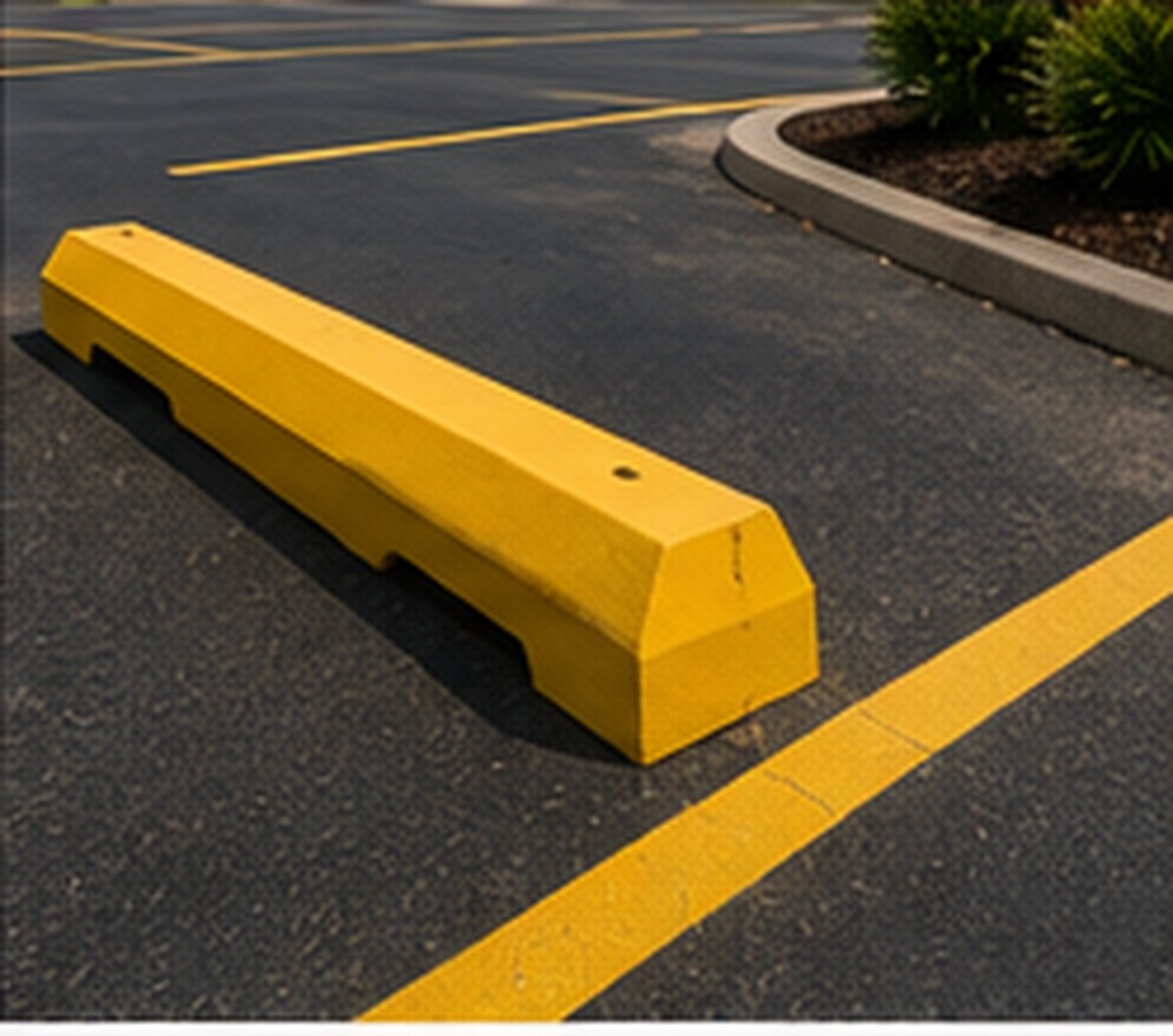
Placed to prevent overhang into walkways, landscaping, or building faces.
Protecting building corners, utility equipment, and pedestrian areas from vehicle contact.
Traffic-calming for properties that need more than striping and signage alone to manage vehicle speed.
| Pricing factor | How it affects your estimate |
|---|---|
| Lot size & scope | Larger lots and multi-visit contracts change per-unit pricing. |
| New layout vs. restripe | New layouts require full measurement and planning work. |
| Specialty markings | ADA stalls, fire lanes, and stencils are priced per unit/linear foot. |
Pricing is per unit installed — signs, wheel stops, bollards, and speed bumps each have their own per-unit cost, and total project cost depends on how many of each your property needs. Bundling hardware installation with a striping project is usually more cost-effective than scheduling it separately, since layout and placement planning happen together.
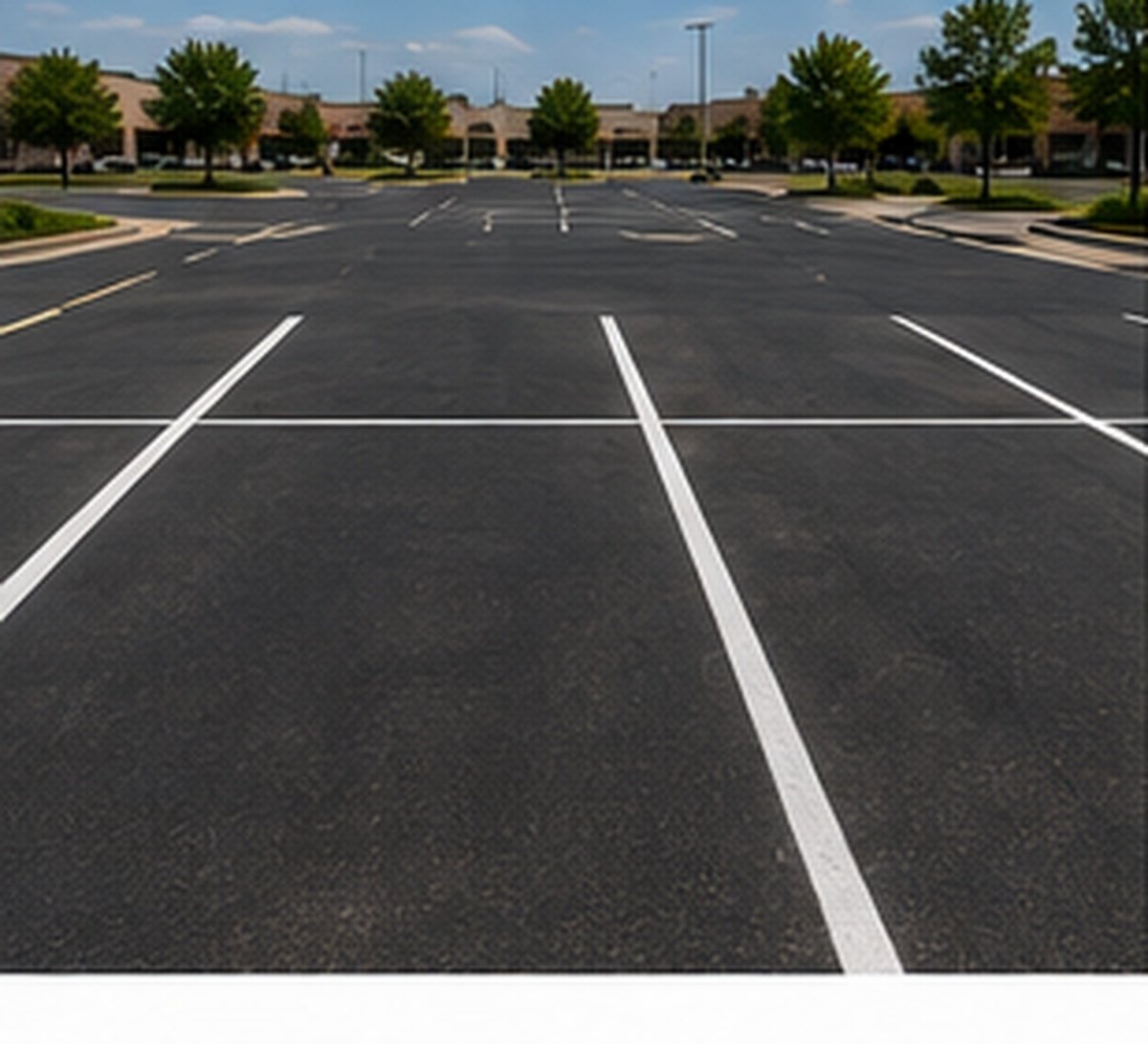
Because we plan hardware placement as part of the same layout process as your striping, signs, wheel stops, and bollards end up exactly where the traffic-flow plan actually needs them — not placed as an afterthought once the paint’s already down. One crew, one visit, one consistent layout.
No pressure, no obligation — just a straightforward look at your property.
We assess the property and identify where signage, wheel stops, bollards, or speed bumps are needed.
We plan placement as part of your overall striping and traffic-flow layout.
We install the hardware to code and manufacturer specifications.
We document the finished installation with photos for your property file.
Missing or faded signage, vehicles regularly overhanging into walkways or landscaping, building corners or utility equipment with visible vehicle-contact damage, or a lot that relies entirely on paint with no supporting hardware are all signs it’s time for an assessment. This is especially worth addressing alongside any new striping project or ADA compliance update.
Unlike paint, hardware doesn’t fade — a properly installed bollard or wheel stop should last for years without maintenance, which makes it one of the better long-term investments on a commercial property. When we install hardware alongside a striping project, we place it to match the layout you’ll likely keep for the next several restriping cycles, so you’re not paying to move a bollard or wheel stop every time the lines get refreshed.
Not usually — wheel stops are typically permanent installations, though we’ll flag any that are damaged or out of position during a restriping project.
A wheel stop is a low curb-style block that prevents a vehicle from pulling too far forward; a bollard is a vertical post that protects a fixed point (a building corner, utility box, or pedestrian area) from vehicle contact.
Yes — ADA signage installation is typically bundled with our ADA-Compliant Parking Space Striping service, but can also be added to any signage and hardware project.