Ready for Your Next Fire Inspection?
An unmarked or faded fire lane is a code violation waiting to be found — we mark it before that happens.
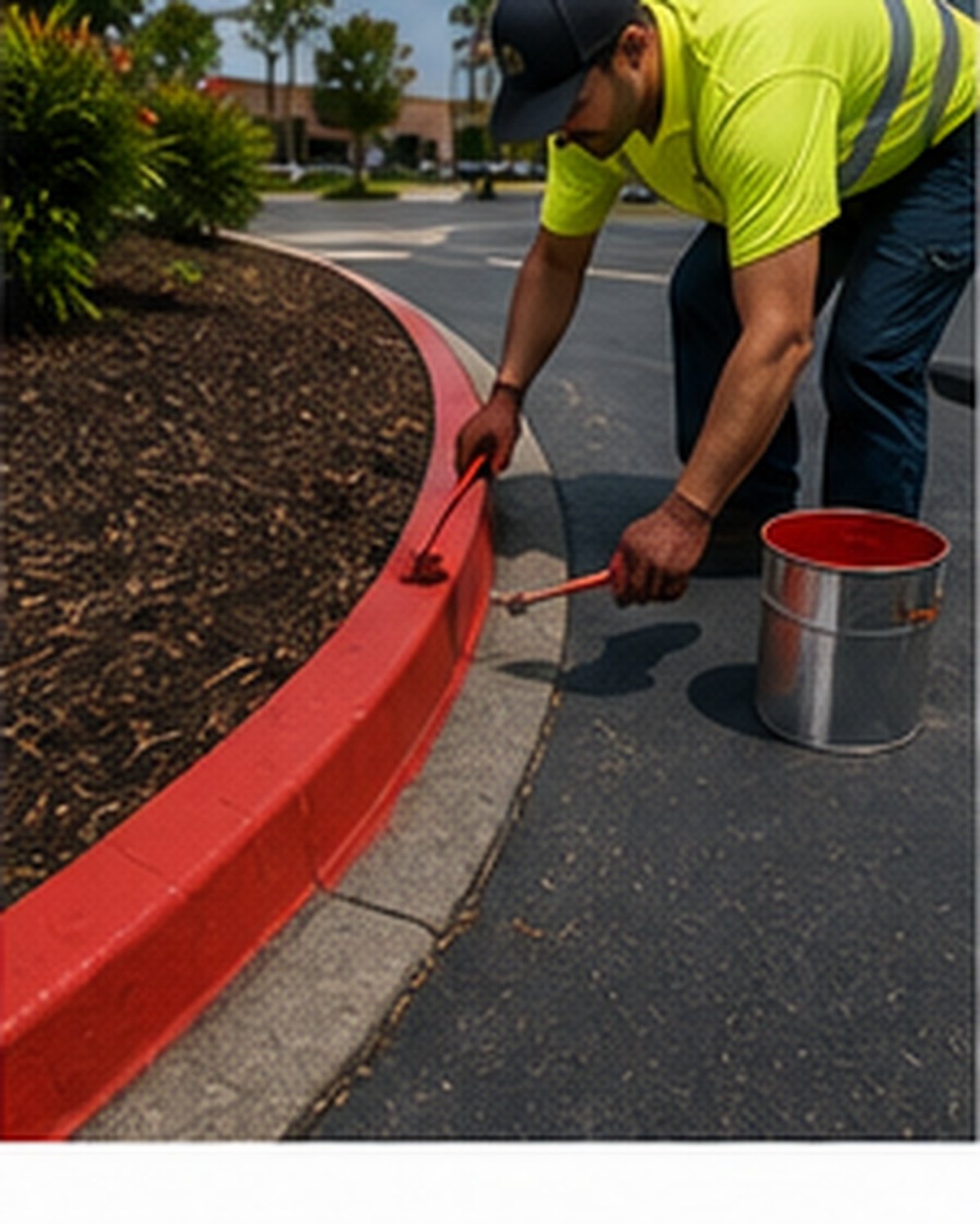
Fire lanes exist so emergency vehicles have guaranteed access to a building, and local fire codes require them to be clearly marked — typically red curb paint with "FIRE LANE — NO PARKING" lettering, plus striping that makes the lane’s boundaries obvious to drivers. When markings fade or were never applied correctly, the lane doesn’t just look unmarked — it stops functioning as the emergency access route it’s legally required to be, and that’s exactly what a fire inspector checks first.
We stripe fire lanes and paint curbs to local code requirements, using durable red curb paint and clear stenciled lettering that stays legible through Kansas weather. We can mark a fire lane on a brand-new lot, refresh badly faded markings on an existing one, or walk a property and tell you honestly whether your current fire lane would pass an inspection.
A fire lane isn’t decorative — it’s a guaranteed access route the fire department is legally counting on being clear and identifiable in an emergency. When markings fade, drivers stop respecting the lane and start parking in it, which is exactly the scenario fire codes are written to prevent. Local fire marshals check fire lane markings during routine inspections, and a faded or missing marking is one of the more common, easily-avoidable violations we see on commercial properties.
We walk the property and identify where fire lane markings are required, faded, or missing entirely.
Durable red curb paint applied to code, marking the lane boundary clearly.
Clear, legible stenciled lettering sized and placed to local code requirements.
Boundary striping that makes the lane’s full extent obvious to drivers, not just the curb segment.
| Pricing factor | How it affects your estimate |
|---|---|
| Lot size & scope | Larger lots and multi-visit contracts change per-unit pricing. |
| New layout vs. restripe | New layouts require full measurement and planning work. |
| Specialty markings | ADA stalls, fire lanes, and stencils are priced per unit/linear foot. |
Fire lane striping is typically priced per linear foot of curb and lane marked, with pricing depending on total lane length and whether it’s new marking or a refresh of existing paint. Bundling fire lane work with a broader restriping project usually costs less than scheduling it as a standalone visit.
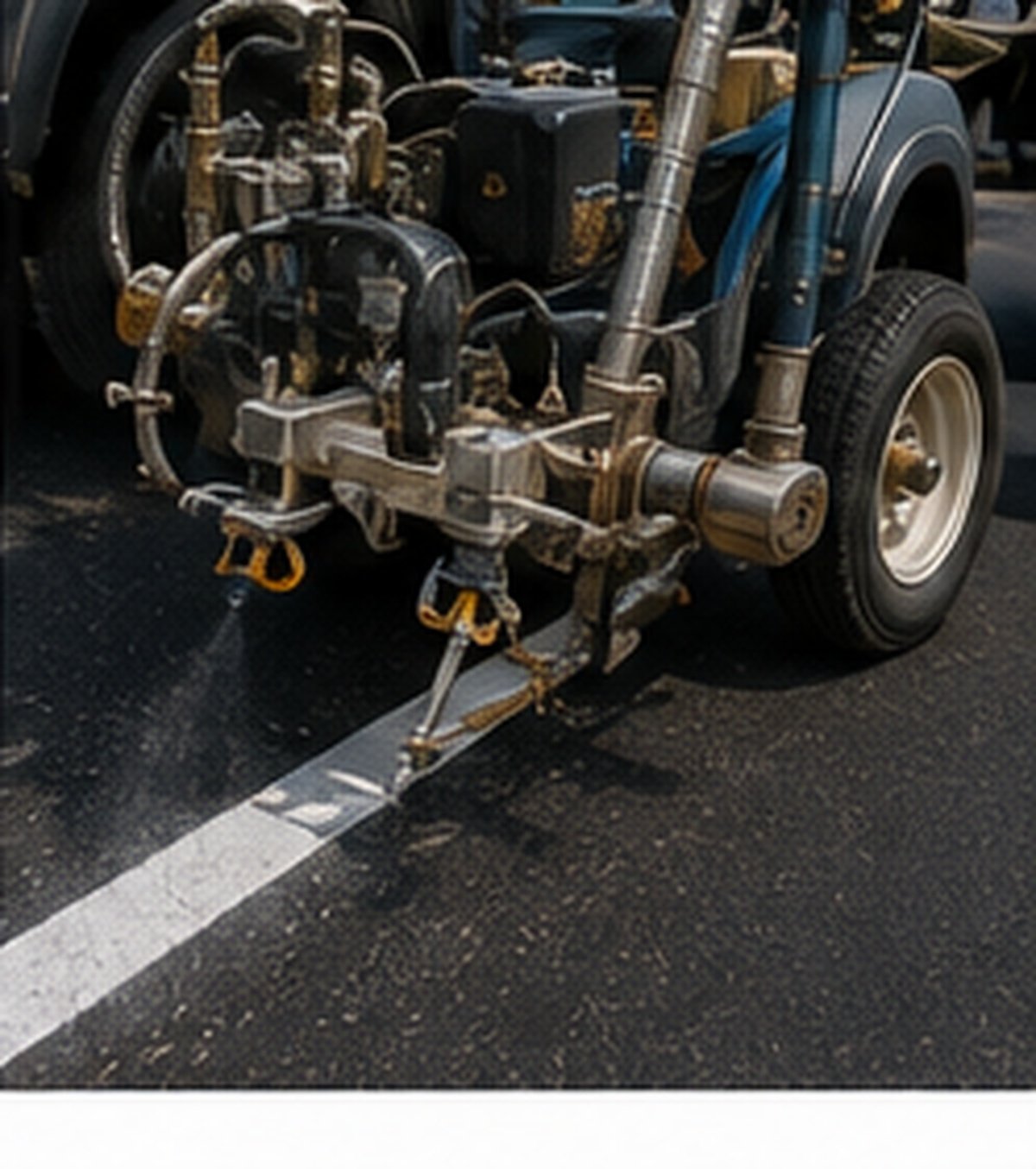
We mark fire lanes to hold up, not just look right on the day the paint goes down — durable curb paint and clear stenciling that stays legible through a Kansas winter, so you’re not refreshing it every year. And because we’re a striping specialist, fire lane work gets the same layout accuracy as the rest of your lot, not an afterthought squeezed in at the end.
No pressure, no obligation — just a straightforward look at your property.
We walk the property and identify where fire lane markings are required, faded, or missing.
We confirm the lane layout against local fire code requirements.
We paint the curb and stripe the lane boundary, with clear stenciled lettering.
We document the finished work with photos for your inspection records.
Curb paint that’s chipped, faded, or barely visible, drivers regularly parking in what should be a marked fire lane, lettering that’s no longer legible from a driving distance, or a property that’s never had its fire lane formally reviewed against current code are all reasons to get it checked. This is especially worth addressing ahead of a scheduled fire inspection or after any recent paving or restriping work that may have covered existing markings.
Fire lane markings are one piece of a property’s overall code compliance, alongside things like clear address numbering and unobstructed hydrant access — and they’re one of the easiest for a fire marshal to check at a glance, which is exactly why they’re one of the most commonly cited violations on otherwise well-maintained properties. Getting curb paint and lane striping right the first time, and refreshing it before it fades past legibility, is a small recurring cost compared to a failed inspection or a blocked lane during an actual emergency.
Red is the standard, though some jurisdictions have specific shade or lettering requirements — we mark to your local code.
Well-applied curb paint generally holds up for a few years under normal traffic, though high-wear areas may need more frequent refreshing.
Yes — bundling it with a full lot restripe is usually more cost-effective than scheduling it separately.